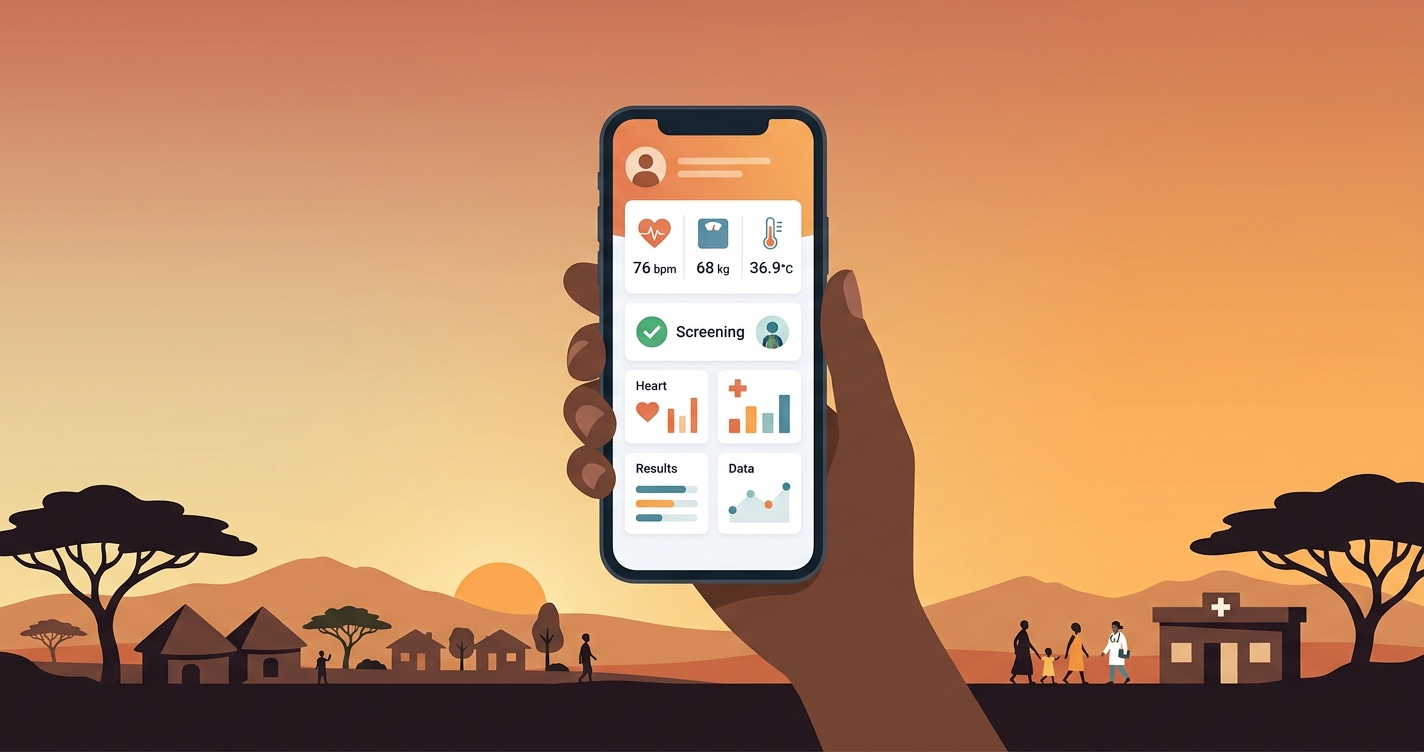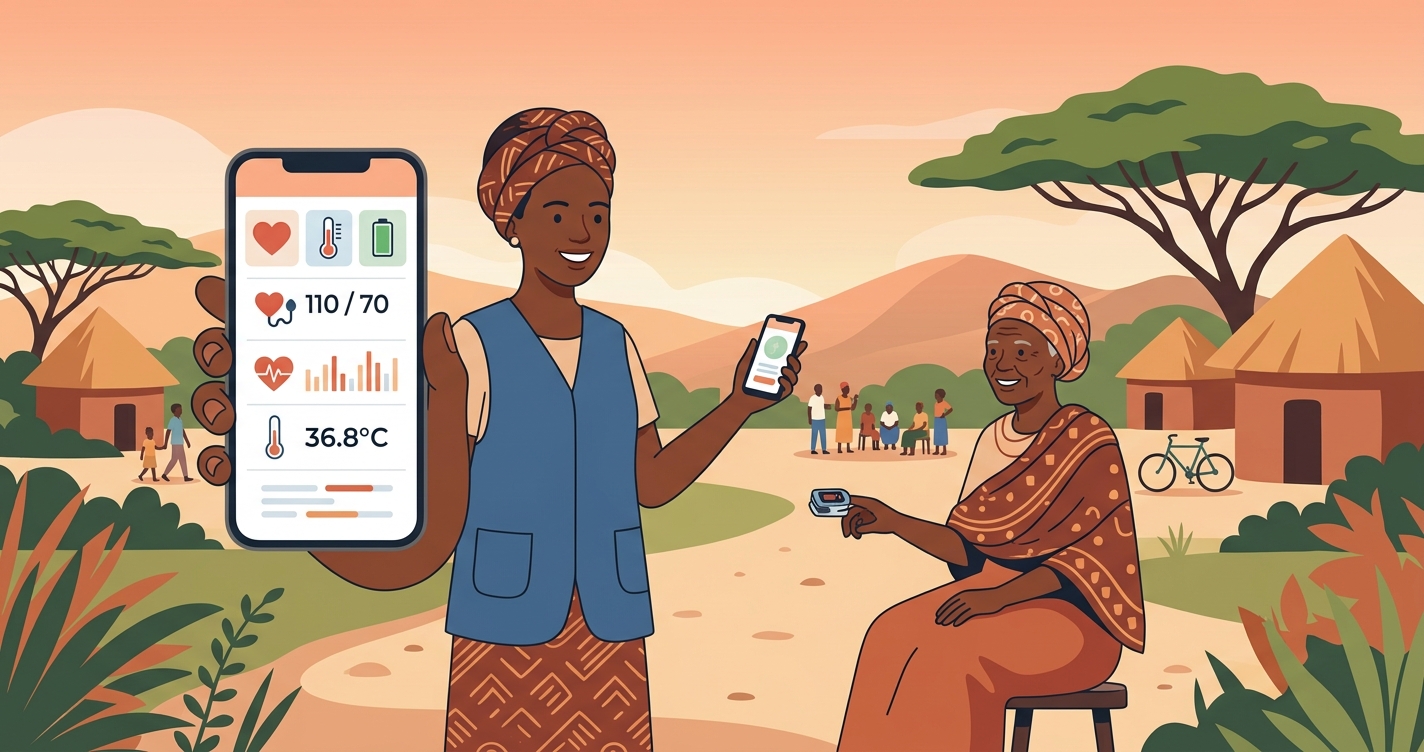
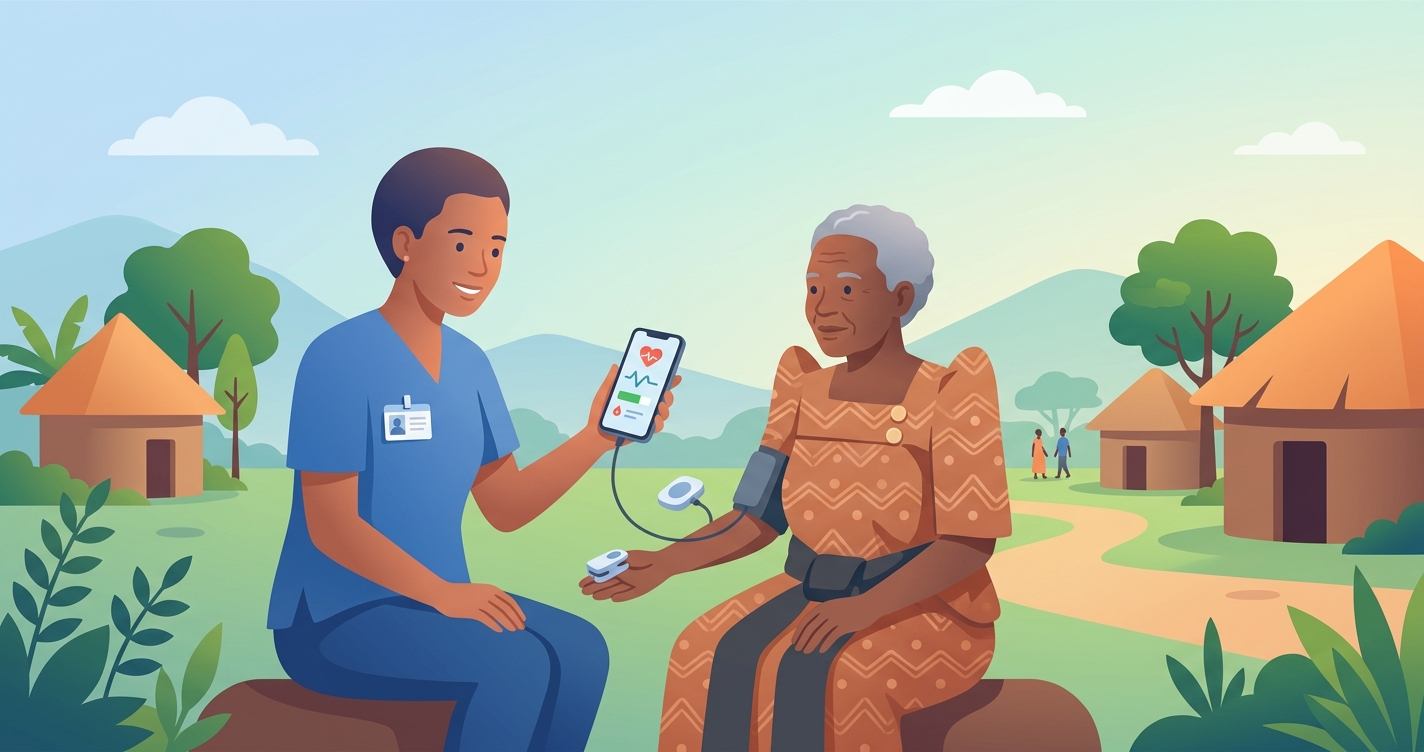
How are villages in Uganda getting vital-sign checks without any equipment?
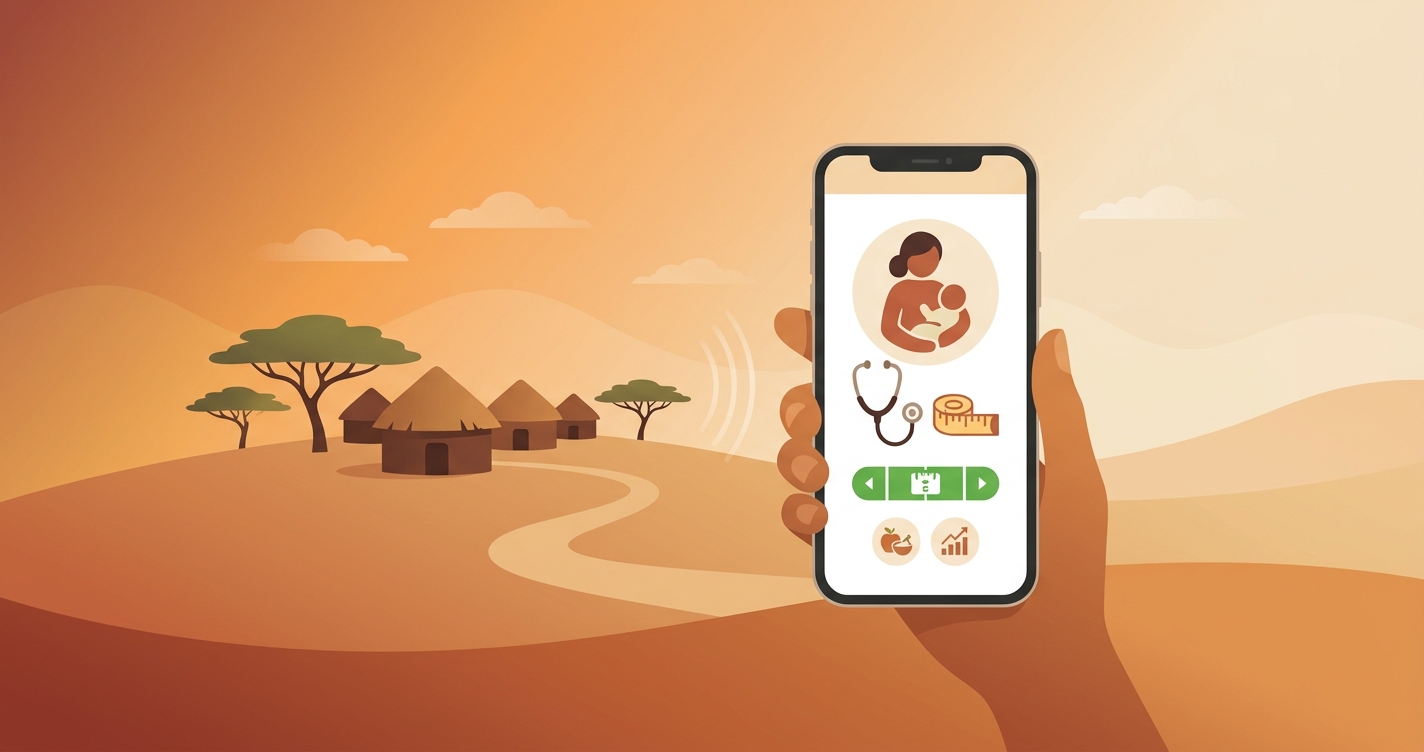
Uganda village vitals no equipment screening is moving from paper triage to smartphone-based checks that work in rural communities without extra devices.
Insights on health technology, vitals monitoring, and wellness from the CareHealthScan team.

Uganda village vitals no equipment screening is moving from paper triage to smartphone-based checks that work in rural communities without extra devices.

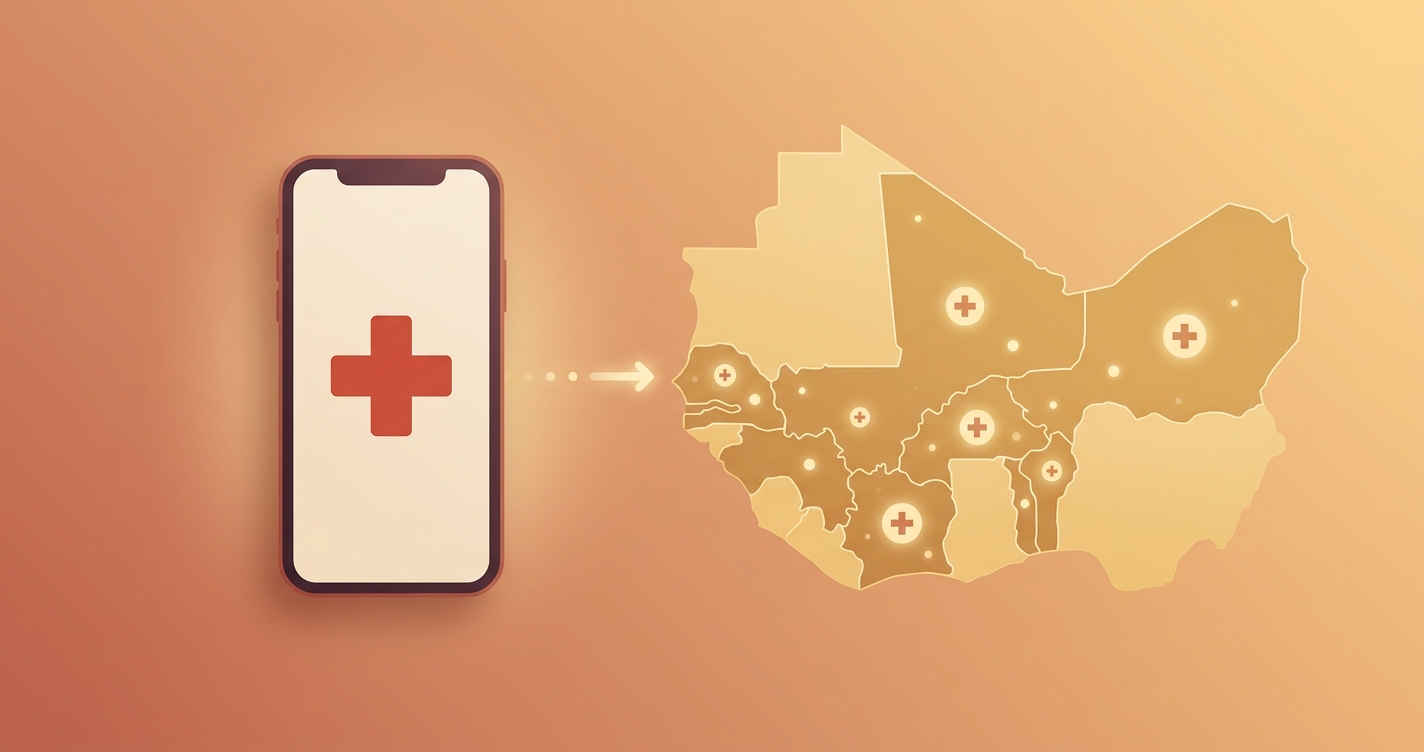
An analysis of the five major barriers to deploying smartphone health screening in Francophone Africa, from language gaps to regulatory fragmentation across French-speaking countries.

An analysis of how health ministries in developing countries procure digital screening technology at scale, covering procurement frameworks, pooled mechanisms, and implementation realities.

An analysis of the five major barriers to deploying smartphone-based health screening in Francophone Africa, from connectivity gaps to language localization.

How UNICEF country offices pilot mobile health technology for nutrition programs, from RapidPro data collection to smartphone-based MUAC screening across Africa.

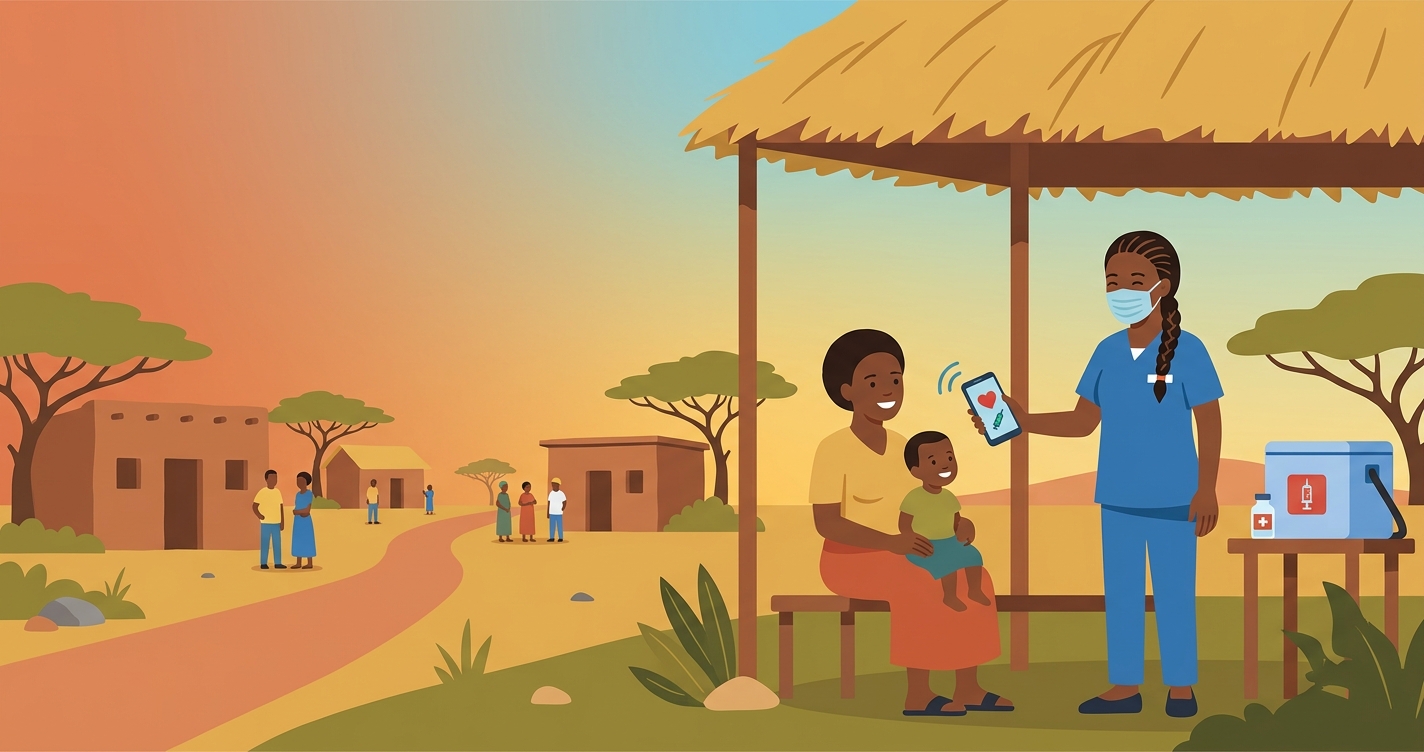
Analysis of how contactless vital signs screening can be integrated into national immunization campaigns across Africa, improving health data capture during routine vaccination touchpoints.

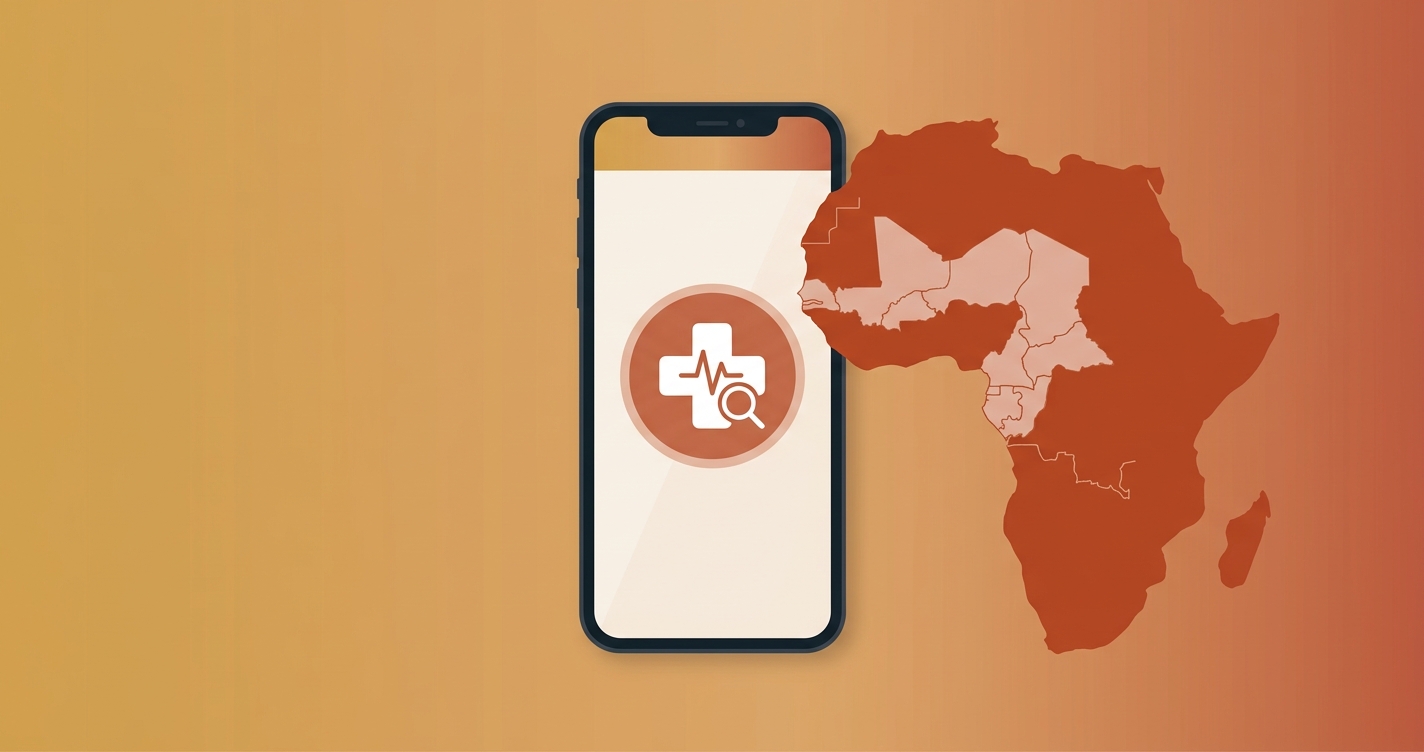
An analysis of mHealth adoption trends and policy shifts across Sub-Saharan Africa in 2026, covering mobile infrastructure, national digital health strategies, and screening deployments.

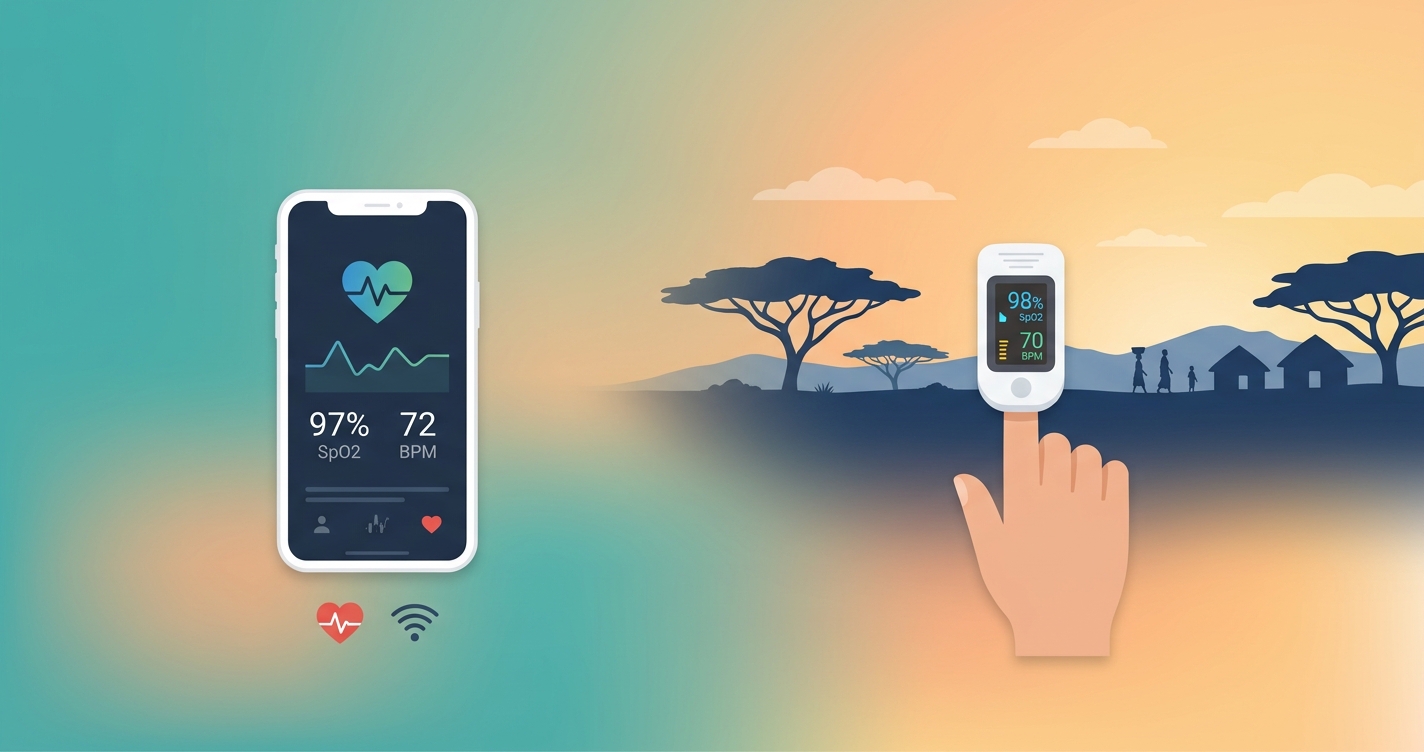
Comparing smartphone screening and pulse oximetry for vital signs measurement in low-resource settings, covering accuracy data, cost analysis, and field deployment realities.

How remote photoplethysmography (rPPG) works and why it matters for global health screening in low-resource settings across Sub-Saharan Africa and beyond.

How WHO program managers evaluate mobile health screening programs using seven metrics from coverage and cost-effectiveness to data quality and clinical outcomes.

A practical framework for designing a multi-disease screening program for rural Africa, covering disease selection, workforce planning, technology, and data systems.

Why most health tech programs in low-income countries collapse after donor funding ends, and what the ones that survive do differently.

How climate change and environmental factors reshape health screening demands across Africa, from heat-driven disease burden to the logistics of field deployment.

How contactless screening on smartphones is helping close the gap on universal health coverage, especially in regions where clinics and trained staff are scarce.

A practical guide to writing grant proposals for mobile health technology projects in low-resource settings, covering funders, budgets, and evaluation frameworks.

A practical guide to partnering with WHO, UNICEF, and PEPFAR on health technology, covering procurement pathways, funding mechanisms, and what these organizations actually look for.

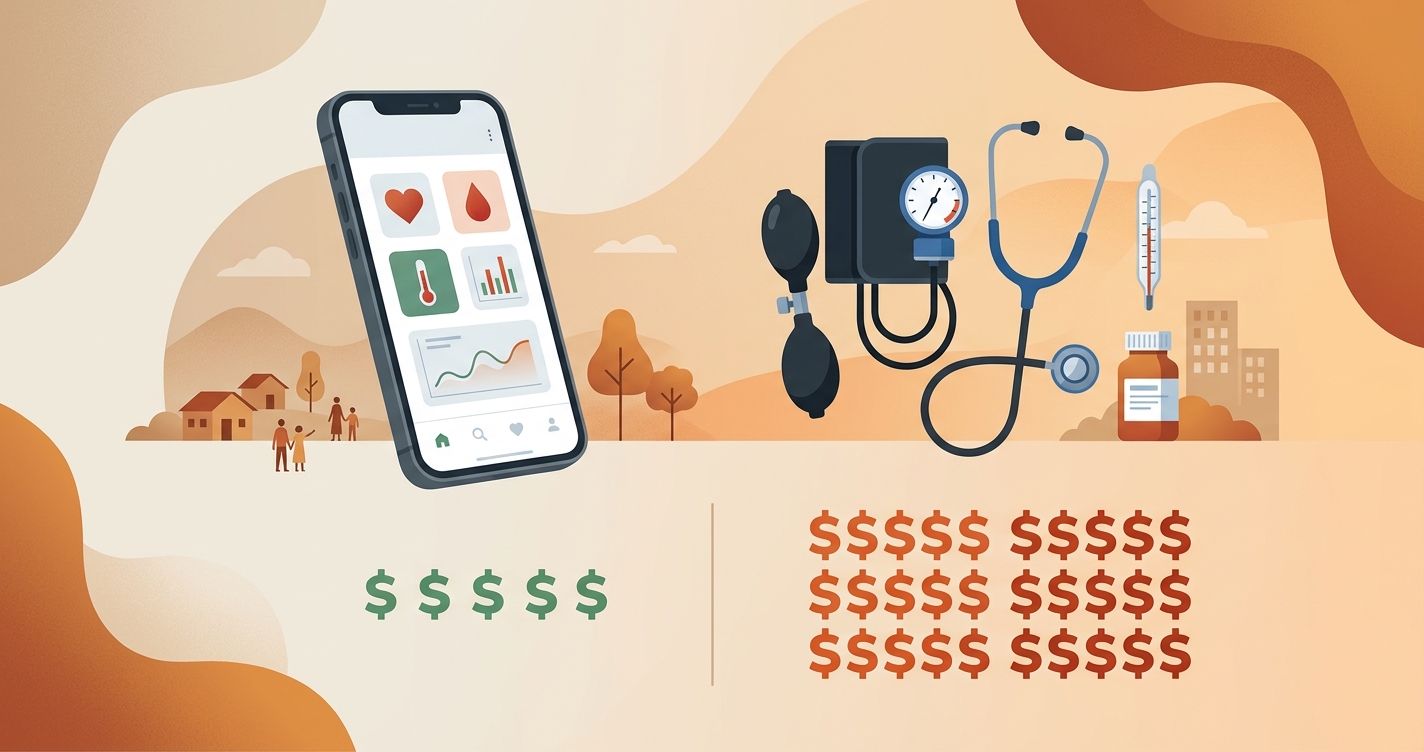
A cost comparison of smartphone-based health screening versus traditional clinical screening methods in low- and middle-income countries, examining equipment, staffing, and per-screening economics.

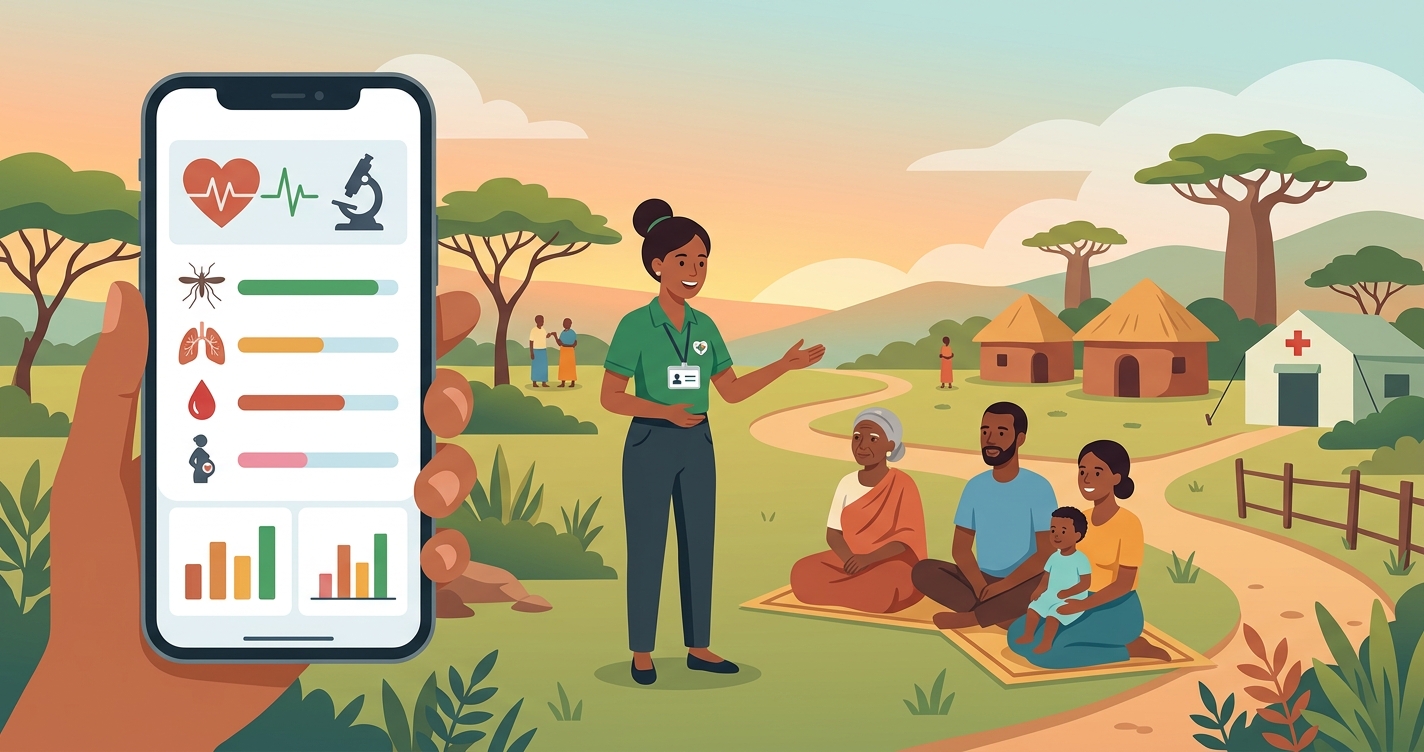
Multi-disease screening via a single smartphone scan is changing how community health programs detect hypertension, anemia, and respiratory illness in low-resource settings.

Camera-based screening for anemia and malnutrition uses smartphone cameras and AI to estimate hemoglobin and detect wasting without blood draws or equipment.

Field lessons from deploying Circadify's contactless screening technology in East Africa, covering workforce integration, connectivity gaps, and what actually works in community health programs.

An analysis of how community-level health data collected by frontline workers shapes national health policy decisions across Sub-Saharan Africa and low-income countries.

How donor-funded programs evaluate health technology impact in low-resource settings, from DALYs and cost-effectiveness to real-world measurement frameworks.

How health technology deployments reach populations with no nearby clinics, from smartphone-based screening to offline-first diagnostics used by community health workers.

Last-mile health uses mobile screening to reach remote communities lacking clinic access. How smartphone-based tools are changing primary care delivery in underserved regions.

How refugee camp health screening technology is changing disease surveillance, triage, and primary care delivery for displaced populations worldwide.

How ministries of health in developing countries move from pilot digital screening programs to national adoption, including procurement, policy, and infrastructure realities.

An analysis of how smartphone-based screening tools are helping reduce maternal mortality across Sub-Saharan Africa by detecting complications earlier through community health worker networks.

How global health programs train community health workers on contactless vitals screening using smartphones, covering curriculum design, field supervision, and competency assessment.

How smartphone-based neonatal health screening is changing newborn care across Africa, from camera-based jaundice detection to contactless vital signs monitoring in low-resource settings.

How NGOs move mobile health technology from pilot programs to nationwide deployment, examining procurement, training, data infrastructure, and sustainability models.

An in-depth analysis of how smartphone vital signs technology works in Sub-Saharan Africa, covering the science of remote photoplethysmography, field deployment considerations, and implications for global health screening programs.

An analysis of how rPPG technology enables offline health screening without internet connectivity, examining the on-device processing architecture that makes contactless vital sign capture viable in disconnected rural environments across Sub-Saharan Africa.

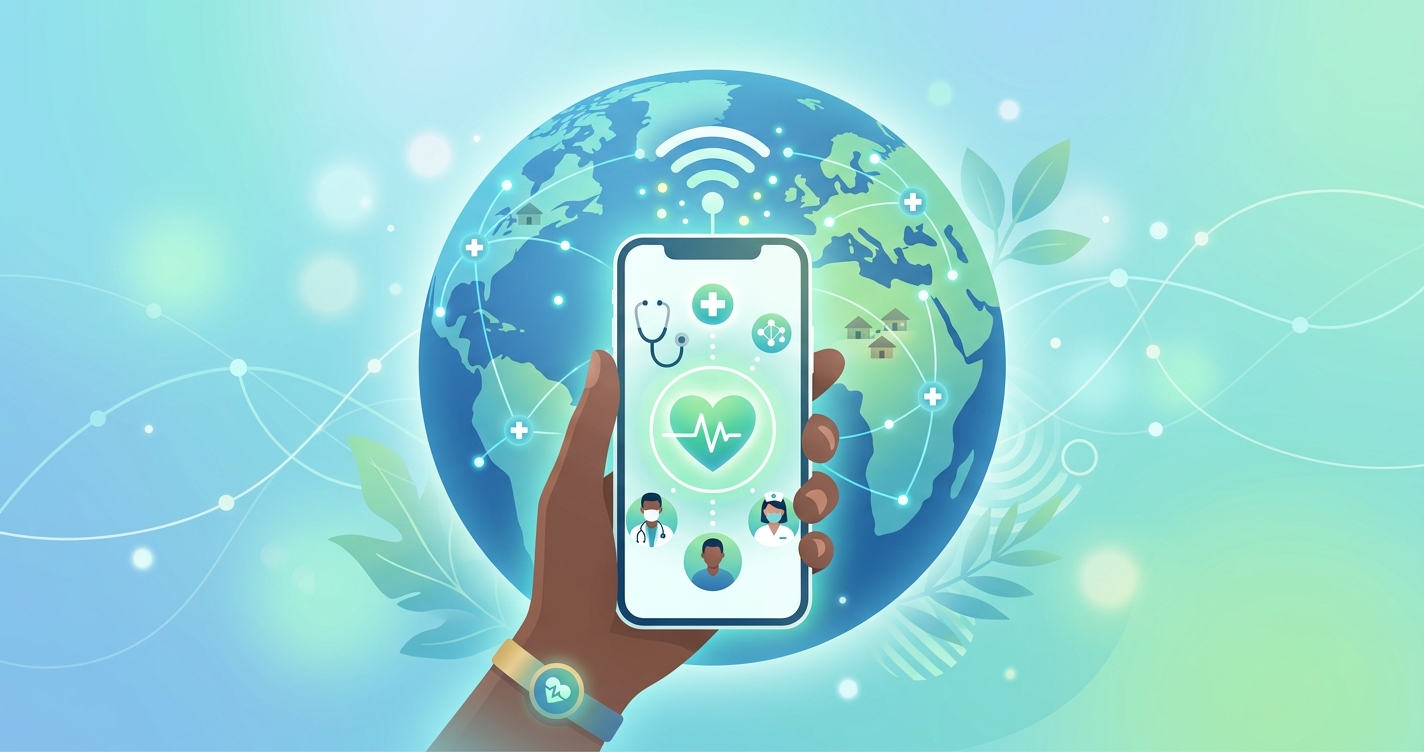
An analysis of mobile health technology in rural Africa, examining how smartphone-based screening bridges the gap between clinical infrastructure and population health needs across Sub-Saharan African communities.

A guide to maternal health screening in low-resource settings, examining how contactless smartphone-based technology enables vital sign monitoring for pregnant women in Sub-Saharan Africa through community health worker networks.

An analysis of how community health workers use contactless screening technology in field settings across Sub-Saharan Africa, examining workflow integration, training models, data capture, and implications for NGO-led health programs.

A field report examining how Circadify deploys smartphone-based health screening in Uganda, with analysis of contactless vital sign capture, workforce integration, and implications for community health programs across Sub-Saharan Africa.